Work coordination platform
Designed for the automotive industry
As a leader in innovation, you understand the importance of staying ahead of the curve in the fast-moving automotive 4.0 world. KanBo provides you with the tools to do just that by facilitating smart factory operations, streamlining project management, fostering collaboration and solving complex problems.
Revolutionizing Project Management and Collaboration: A Comprehensive Guide for Managers in Asia Pacific with OneHUB Program
Introduction:
As the world shifts towards digitization, large enterprises are seeking a more streamlined and efficient method of project management. Managing complex organizational hierarchies with numerous teams, departments, and external stakeholders demands a platform that not only manages projects but brings everyone together. Enter KanBo, a work coordination platform designed with large enterprises in mind.
Feature Benefits:
KanBo excels in its ability to provide a comprehensive platform for project management. Its features are designed to promote cross-departmental communication, enhance collaboration, and streamline operations. Notable features of KanBo include its cloud and on-premises installations, customizable license options, and user-friendly interface.
One notable aspect of KanBo is its focus on cross-departmental communication. Complex organizational structures often result in communication silos, leading to a lack of coordination. However, KanBo’s platform promotes cross-departmental communication by building centralized project management and collaboration hubs. This results in greater transparency, accountability, and more informed decision-making across an enterprise.
Short Product Tour:
KanBo’s user-friendly interface simplifies project management, allowing teams to focus more on collaboration and less on the logistics. KanBo offers customizable project boards specifically tailored to meet the needs of different departments and projects. These boards act as a central hub, organizing tasks, milestones, and deadlines. Additionally, the platform includes a powerful search tool, allowing for easy access to information across all projects.
Cross-Departmental Communication in Automotive:
In the automotive industry, where silos are common, KanBo would give an edge to project managers. With separate teams handling different aspects of product development and manufacturing, communication breakdowns can occur. KanBo’s platform provides a solution by integrating all teams, both internal and external to the organization. This creates a more productive work process with a quicker response to change and fewer quality issues.
Conclusion:
KanBo, with its focus on cross-departmental communication and collaboration, provides a comprehensive solution for large enterprises. This work coordination platform offers customizable installations to meet the specific needs of businesses, streamlining project management, and reducing communication silos. With its cloud and on-premises options and user-friendly interface, KanBo stands at the forefront of the evolution of project management software.
Monday:
1. Open your KanBo app and go to your OneHUB Program Asia Pacific board.
2. Check for any new notifications or updates.
3. Review the progress on current Manager Project tasks.
4. Assign new tasks to team members and create necessary cards.
5. Schedule the tasks for the upcoming week.
6. Conduct an audit of the current project status and note any issues that need to be addressed.
Tuesday:
1. Review the tasks assigned to you on your MyBoard.
2. Complete any urgent priority tasks.
3. Check for any updates or changes to Manager Project tasks assigned to you.
4. Participate in project-related discussions and provide input on current progress.
5. Collaborate with team members on any outstanding issues.
6. Update the Manager Project board with progress and any relevant information.
Wednesday:
1. Review project status with team and highlight any dependencies or challenges.
2. Work with team members to identify and discuss potential solutions.
3. Conduct a risk assessment to identify any high-priority risks that need immediate attention.
4. Communicate any significant progress or milestones to stakeholders.
5. Create any necessary reports or documentation.
6. Ensure all tasks are updated and scheduled for the following days.
Thursday:
1. Follow up on any high-priority risks or issues identified earlier in the week.
2. Provide updates to stakeholders on risk assessments and potential solutions.
3. Ensure all project documentation is up to date and organized.
4. Participate in any cross-functional meetings or discussions related to Manager Project.
5. Check your MyBoard for any new urgent tasks or updates.
6. Collaborate with team members as needed.
Friday:
1. Schedule a project status review with stakeholders to discuss the progress of Manager Project.
2. Conduct a review of the week’s tasks and ensure everything is complete.
3. Update the Manager Project board with final progress reports.
4. Review your MyBoard and ensure all tasks are prioritized for the upcoming week.
5. Conduct a retrospective on the current sprint and identify any areas of improvement.
6. Celebrate team successes and accomplishments for the week.
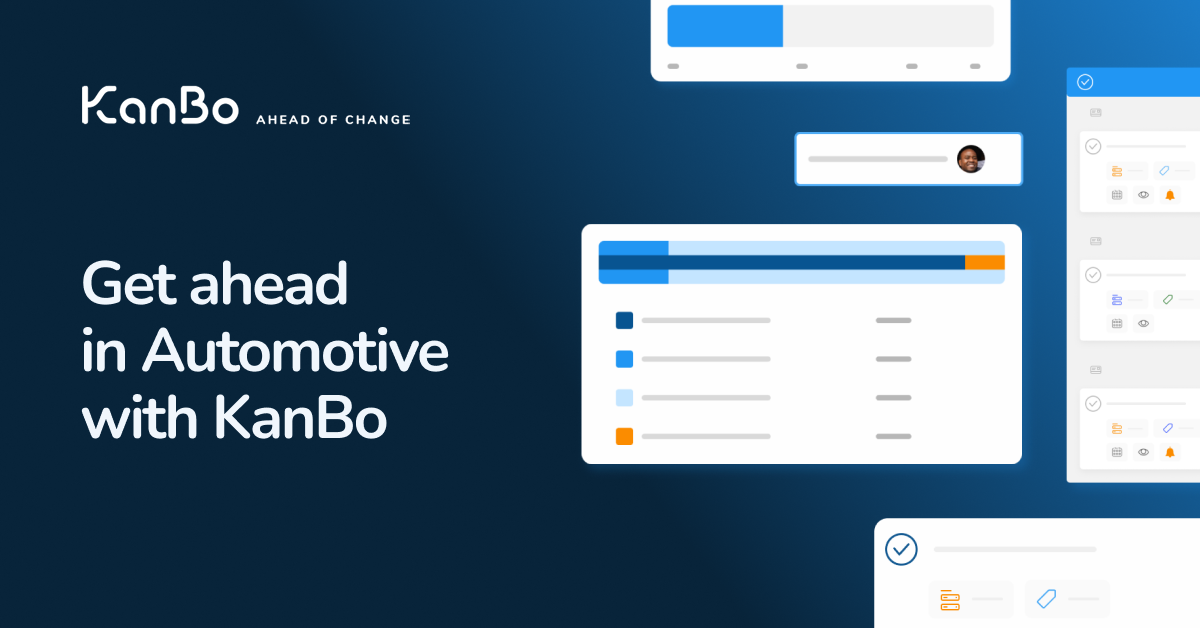
While KanBo is primarily recognized as a platform for cross-departmental communication, it is much more than that. Along with its communication capabilities, KanBo also offers advanced work coordination features such as task scheduling, resource management, and document collaboration. Additionally, it provides various views such as Kanban, list, spreadsheet, and calendar to view work tasks, document revisions, and project progress.
KanBo also provides a sophisticated search feature to help team members locate and access information quickly and easily across all documents and cards. The platform also allows users to create card templates and customize card elements according to their needs and workflows, reducing time spent on repetitive tasks and improving efficiency for teams.
Furthermore, KanBo enhances team collaboration and ownership with its intuitive and user-friendly interface complete with real-time collaboration tools such as comments, @mentions, and notifications. This, in turn, encourages team members to take responsibility for tasks and connects stakeholders with little friction.
In summary, while KanBo’s cross-departmental communication capabilities are its top feature, the platform’s advanced work coordination, document collaboration, and collaboration tools make it much more than a tool for communication. Ultimately, KanBo empowers enterprises to optimize their work management while promoting transparency, trust, and fulfilling work cycles.
Q&A
1. Q: How does KanBo promote cross-departmental communication in large enterprises?
A: KanBo builds centralized project management and collaboration hubs that integrate all teams, both internal and external to the organization. This promotes a more transparent work process, greater accountability, and more informed decision-making across an enterprise.
2. Q: In which industry can KanBo be particularly helpful, and why?
A: KanBo can be particularly helpful in the automotive industry where communication breakdowns between separate teams that handle different aspects of product development and manufacturing are common. KanBo’s integration of all teams minimizes communication silos, resulting in a more productive work process with a quicker response to change and fewer quality issues.
3. Q: What notable features does KanBo offer for project management?
A: KanBo offers a user-friendly interface that promotes collaboration and simplifies project management. Customizable project boards tailored to different departments and projects, a powerful search tool, cloud/on-premises installations, and customizable license options are some notable features of the platform.
Use Case: Implementing Internal Quality Control Management Framework in Automotive Industries
Let’s take the example of an automotive company that is implementing an internal quality control management framework. With KanBo, this task can be simplified and streamlined.
Create a board: The project manager can create a board specifically for this project. The board can be customized based on the project manager’s preferences, team members, and project goals.
Divide the work into tasks and create cards: The project manager can create cards for each task that needs to be completed. For example, the first card might involve defining the scope of the QA program, while the second card could involve identifying tools and software required for quality control.
Collaborate with team members: The project manager can add team members to the board and assign tasks to each team member. This ensures accountability and helps the team to stay on track. With the KanBo platform, communication between team members can take place in real-time through the comment and chat feature.
Review audit and assessment results: Once the QA program is in place, the project manager can create cards within the board to track audit results. Using the Kanban view, the project manager can track the progress of each audit, identify trends or issues, and recommend corrective actions to prevent non-conformance.
Monitor quality control management framework: The project manager can use MyBoard to monitor the progress of the QA program. All cards related to the program can be mirrored onto the personal board, making it easier for the project manager to keep track of the status and progress of each task.
Using Microsoft Office skills with KanBo Boards in KanBo:
KanBo allows users to leverage the skills of Microsoft Office for greater productivity. For example, users can attach files and documents from Microsoft Office within the cards, ensuring that all information related to each task is in one place. Use Microsoft Excel to highlight key performance indicators for the project, create charts and tables, and attach them within cards.
Conclusion:
KanBo is a versatile platform that can be used to streamline various types of projects, including the implementation of internal quality control management frameworks in automotive industries. Users can easily collaborate with peers, track progress, and complete tasks with ease. By incorporating Microsoft Office skills, users can maximize productivity and create more effective project management workflows.