Work coordination platform
Designed for the automotive industry
As a leader in innovation, you understand the importance of staying ahead of the curve in the fast-moving automotive 4.0 world. KanBo provides you with the tools to do just that by facilitating smart factory operations, streamlining project management, fostering collaboration and solving complex problems.
Revolutionizing Automotive Sustainability: The Role of a Technical Manager in Materials Sustainability
KanBo is a work coordination platform designed specifically for large enterprises, with the aim of bringing all teams, departments, and external stakeholders together seamlessly. With its extensive on-premises and cloud installations and licenses catering to the needs and preferences of every type of business, KanBo offers unparalleled solution flexibility and scalability.
The Technical Manager – Materials Sustainability is an important part of the KanBo ecosystem. The platform provides technical strategic leadership on product and materials, sustainability improvements, and implements sustainability tracking tools. This makes it an essential tool for companies within the automotive industry that are looking to stay ahead of the innovative curve in the fast-moving automotive 4.0 world.
One of the key features of KanBo is its ability to facilitate smart factory operations. This streamlines project management and fosters collaboration, allowing teams to work together more efficiently and effectively. The platform also addresses complex problems, ensuring that every member of the team has access to the necessary resources and insights to resolve issues in a timely manner.
Another significant advantage of KanBo is its focus on cross-departmental communication. This is particularly important in the automotive industry, where disparate teams and external stakeholders often have to work together towards a single goal. KanBo’s ability to coordinate activities beyond its own department ensures that everyone can stay informed and up-to-date on the latest developments, leading to better decision-making and overall outcomes.
The power of KanBo is further amplified by its life cycle assessment methodology and delivery at the materials or subsystem levels. This provides users with an in-depth technical knowledge of materials science and processing methods, enabling them to provide guidance, support, and ensure the achievement of business objectives and appropriate prioritisation of technical development.
In conclusion, KanBo is a work coordination platform designed to enable large enterprises to stay ahead of the curve in the fast-moving automotive 4.0 world. With its focus on cross-departmental communication, smart factory operations, and sustainability improvements, KanBo provides a comprehensive and flexible solution for companies in this industry. The Technical Manager – Materials Sustainability is an essential part of this ecosystem, providing users with invaluable technical knowledge and expertise.
Monday:
Start your week off by creating new boards in KanBo for each project your team is working on. Assign team members to each board and begin organizing tasks and responsibilities on cards within those boards. Use the Kanban view to track progress and ensure that everything is moving forward as planned.
Tuesday:
Spend some time today exploring KanBo’s reporting and analytics features. Use these tools to get a better sense of how your team is performing and where you might be able to improve. Consider creating custom reports to get specific insights on things like resource allocation, progress tracking, and more.
Wednesday:
Hold a team meeting today to discuss progress on current projects. Use KanBo to present key metrics and discuss any issues or roadblocks that need to be addressed. Encourage team members to collaborate and problem-solve together on the platform, using card comments and mentions as needed.
Thursday:
Sustainability is a key concern for the automotive industry. Use KanBo to track sustainability metrics related to your materials sourcing and production processes. Create a custom board to track progress on sustainability goals, and use the platform to communicate with suppliers and stakeholders on related initiatives.
Friday:
Take some time today to review your personal board, using the MyBoard feature in KanBo. Use this view to track progress on tasks you’re personally responsible for and ensure that everything is on track. Use the calendar view to plan out your coming week and keep everything organized and streamlined.
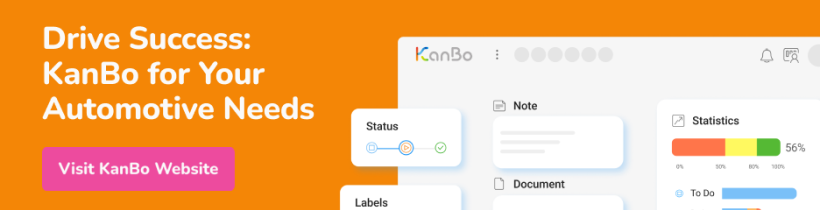
Yes, KanBo is much more than just a tool for cross-departmental communication. While it does facilitate communication and collaboration across teams and departments, KanBo also serves as a comprehensive work management platform that brings together all aspects of managing projects and tasks.
KanBo provides a unified platform for managing tasks, projects, documents, and workflows. Its customizable workspaces and card templates allow teams to create a tailored work environment that suits their unique needs. From Gantt charts to timelines, KanBo’s visualizations provide teams with the clarity they need to stay on top of their work.
KanBo also includes powerful features such as activity feeds, notifications, and mentions, which keep all team members informed and updated on project progress. The platform’s integration with popular tools such as Microsoft Office 365, Google Suite, Salesforce, and AWS ensure seamless collaboration across different tools and platforms.
In addition, KanBo offers advanced analytics and reporting capabilities that enable teams to track and analyze important project metrics, identify bottlenecks, and make data-driven decisions.
Overall, KanBo is a powerful work management platform that empowers teams to work together more efficiently, communicate more effectively, and achieve their goals more quickly and easily.
Q&A
1. Q: What are the key advantages of KanBo for the automotive industry?
A: KanBo provides numerous advantages for the automotive industry, including its ability to facilitate smart factory operations, address complex problems, and focus on cross-departmental communication. Additionally, the platform offers valuable tools for sustainability tracking and materials science, enabling companies to stay ahead of the curve in the fast-moving automotive 4.0 world.
2. Q: How can teams use KanBo to collaborate and problem-solve together?
A: Teams can use KanBo to collaborate and problem-solve together in various ways. For instance, they can use the platform to create boards for each project, assign team members, and organize tasks and responsibilities on cards within those boards. They can also use the platform’s reporting and analytics features to get a better sense of how they’re performing and identify areas for improvement. Moreover, they can hold team meetings to discuss progress on current projects, present key metrics, and collaborate on problem-solving by using card comments and mentions.
3. Q: What is KanBo’s focus on sustainability, and how can it help the automotive industry?
A: KanBo has a strong focus on sustainability, particularly related to materials sourcing and production processes. The platform’s sustainability tracking tools enable companies in the automotive industry to set and achieve sustainability goals, as well as communicate with suppliers and stakeholders on related initiatives. Additionally, KanBo’s life cycle assessment methodology offers valuable technical knowledge and expertise on materials science and processing methods, which can help guide sustainable decision-making and product development in the industry.
Use case: Enhancing Material Selection and Development in the Automotive Industry with KanBo
In the automotive industry, selecting the right materials and manufacturing processes for developing innovative technologies is critical. To stay ahead of competitors, companies must prioritize material sustainability and process improvements.
At KanBo, we offer a comprehensive platform that caters to the needs of the automotive industry. With our technical expertise and smart factory operations, teams can collaborate on complex tasks, beyond their departments.
KanBo’s life cycle assessment methodology allows users to assess and deliver materials and subsystems using a methodical approach. This means that companies can achieve business objectives with prioritized technical development.
For example, consider a company that wants to enhance the safety of their vehicles through better materials. By using KanBo, they would invite stakeholders from different departments, such as design, engineering, and production, to collaborate on identifying and evaluating the best materials for their needs. The team can use KanBo workspaces to create a personalized work environment, and KanBo’s Gantt charts to monitor project progress.
Moreover, KanBo makes it easy for users to communicate and influence complex topics at various levels of business tasks. Members can use notifications, comments, and mentions to keep everyone informed and updated.
KanBo boards are a key feature that enables users to manage their projects and tasks with ease. By creating boards with lists and cards, companies can track the development of different projects simultaneously. Boards can have eight unique views that cater to individual preferences and departmental ways of working. Using Microsoft Office skills with KanBo boards increases functionality and simplicity.
In conclusion, KanBo is a versatile and complex digital platform that enhances material selection and development in the automotive industry. By coordinating teams and collaborating on complex tasks, teams can achieve their objectives and stay ahead of the innovative curve.