Work coordination platform
Designed for the automotive industry
As a leader in innovation, you understand the importance of staying ahead of the curve in the fast-moving automotive 4.0 world. KanBo provides you with the tools to do just that by facilitating smart factory operations, streamlining project management, fostering collaboration and solving complex problems.
Revolutionize Your Electrical Planning Process with the Help of KanBo: The Ultimate Work Coordination Platform for Smart Factory Operations and Plant Infrastructure
Introduction:
As large enterprises continue to grow, the need for efficient and effective communication and coordination between teams and departments becomes crucial. That is where KanBo comes in. KanBo is a work coordination platform designed specifically for large enterprises. Its ability to bring together all teams, departments, and external stakeholders is integral to the growth of any major organization.
Features Benefits:
KanBo is not your average work coordination platform. Its unique features set it apart from its competitors and makes it the perfect solution for any company looking to improve their cross-departmental communication. With KanBo, teams can work together in real-time, creating a more streamlined and efficient work process. Additionally, the platform’s on-premises and cloud installations and licenses are designed to cater to the needs and preferences of every type of business, making it a flexible solution that can grow as your company does.
Cross departmental communication:
In the world of automotive manufacturing, coordinating efforts between departments is critical. KanBo’s work coordination platform allows for cross-departmental communication, ensuring that everyone is on the same page and working towards the same goals. This enables Electrical planners to collaborate and work with other departments, such as construction, media planning, and responsible electricians, while also maintaining full control over technical project management, providing cost, quality, and deadline tracking.
Short product tour:
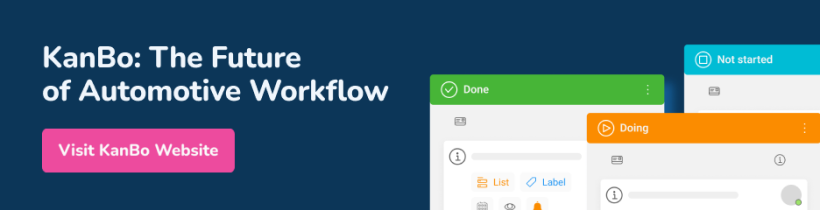
KanBo’s dynamic features include a range of visualization tools, like Kanban boards, to help teams manage their workflows and enhance productivity. Additionally, their AI-powered chatbots provide helpful assistance, making processes more accessible for everyone within the company. Lastly, KanBo’s analytics provide real-time performance metrics, allowing managers to gauge the success of their coordinated work efforts.
Conclusion:
In conclusion, KanBo is more than just a work coordination platform. It is a comprehensive solution, well suited for large enterprises looking to improve their communication and collaboration between departments. With on-premises and cloud installations and licenses, KanBo is flexible and scalable, catering to the specific needs of any business. Ultimately, KanBo is an investment in the continued growth of any large enterprise, providing cross-departmental communication to keep teams aligned and focused on achieving their goals.
Introduction:
KanBo is a powerful work coordination platform that helps businesses in the automotive industry to streamline their operations and improve collaboration. In this article, we will provide you with a step-by-step guide on how to use KanBo for one week of life Electrical planner plant infrastructure in the Automotive industry.
Monday:
On Monday, as an Electrical Planner, your job is to plan and prioritize your work for the week. With KanBo Workspaces, you can create a dedicated workspace for your projects. Create a new workspace for the Electrical Planner plant infrastructure and assign yourself as the owner.
Tuesday:
On Tuesday, you can start creating cards for your tasks. KanBo Cards allow you to break down your work into smaller, more manageable tasks. Create a card for each task, such as planning electrical layout, creating a bill of materials, and coordinating with vendors.
Wednesday:
On Wednesday, start scheduling your tasks with KanBo’s scheduling feature. Assign start and end dates for each card and set reminders for deadlines. This helps you stay on track and ensures that all tasks are completed on time.
Thursday:
On Thursday, start collaborating with your team using the KanBo collaboration features. Assign team members to each card and use comments and @mentions to communicate in real-time. This helps you make sure everyone is on the same page and working towards the same goal.
Friday:
On Friday, review your progress for the week using KanBo’s reporting and dashboard features. KanBo allows you to create custom reports and dashboards, so you can see an overview of your progress and identify any bottlenecks that need to be addressed.
Conclusion:
With KanBo, you can easily manage your tasks, collaborate with your team, and stay on track with deadlines. By using KanBo for your Electrical Planner plant infrastructure, you can improve your efficiency and productivity, ultimately leading to a more successful project.
Yes, KanBo is much more than just a tool for cross-departmental communication. It is a platform that enables large enterprises to optimize, streamline and organize their work management processes. KanBo empowers every part of the organization, from individual employees to entire departments, to work more effectively, efficiently, and creatively.
One key feature of KanBo is its ability to fully integrate with existing business infrastructure, such as SharePoint, Office 365, AWS, Salesforce, and Google Suite. This means that organizations can seamlessly integrate KanBo into their existing workflows, without any disruption to their current processes.
Another unique aspect of KanBo is its support for different workstyles and methodologies. KanBo understands that every team and department has their own unique approach to work, and provides the flexibility to support agile, lean, waterfall, or hybrid methodologies. With this support, KanBo enables teams to work in the manner that best suits their needs, while ensuring that everyone is on the same page and working towards common goals.
KanBo’s less is more philosophy also sets it apart from other work coordination platforms. Rather than overwhelming users with an excess of features and options, KanBo has an elegant and streamlined design that focuses on the essentials, making it easy to use and understand.
Ultimately, KanBo is more than just a communication tool – it is a comprehensive platform that empowers large enterprises to work better and more efficiently. By providing transparency, trust, autonomy, and mastery, KanBo helps organizations to reach their full potential and achieve their goals with greater ease and confidence.
Q&A
1. Q: What industries is KanBo suitable for?
A: KanBo is suitable for large enterprises in various industries, but its features are particularly useful in industries where cross-departmental communication is critical. In the article, it highlights the automotive manufacturing industry as one example.
2. Q: What are the benefits of KanBo’s scheduling feature?
A: KanBo’s scheduling feature allows users to assign start and end dates for each task and set reminders for deadlines. This helps users stay on track and ensures that all tasks are completed on time. It also helps users prioritize their workload and manage their time efficiently.
3. Q: How does KanBo help improve communication between team members?
A: KanBo offers various collaboration features that help improve communication between team members. For example, users can assign team members to each task and use comments and @mentions to communicate in real-time. This allows everyone to stay updated and work towards the same goal, improving efficiency and productivity.
Use Case:
One example of the technical project management tasks that KanBo could facilitate in the Automotive Industry is the renovation and expansion of charging infrastructure in a manufacturing plant. As electric vehicles become more prevalent, the need for adequate charging infrastructure in manufacturing plants also grows. The existing infrastructure may not be sufficient to handle the expected increase in electric vehicles, so a project to expand and upgrade the charging infrastructure may be necessary.
Using KanBo, the responsible electrical team could create a board specifically for this project. They could use the Board General Info functionality to attach important information such as the board’s purpose and goals, estimated budget, start and end dates, and a description of the project. The responsible person for the project could be designated, and the number of team members and cards in the board could be tracked.
KanBo’s unique features would allow seamless communication and coordination between the electrical team responsible for the project and other departments involved in the renovation process. For example, the electrical team could collaborate with the construction and media planning departments to ensure that the charging infrastructure is installed in the most effective location. With KanBo, strict cost, quality, and deadline tracking could be maintained, allowing the team to monitor progress and make agile adjustments where necessary.
The technical management of external service providers such as experts, planners, and executing companies could also be coordinated using KanBo. For example, if additional expertise is required for the development of the charging infrastructure, an external service provider could be invited to join the board and collaborate with the internal team.
Finally, with KanBo’s analytics feature, the team could track their progress in real-time, monitor their performance metrics, and make data-driven decisions based on the project’s status. KanBo provides complete transparency and communication across all operational levels, promoting good teamwork, autonomous work, and responsible use of resources.
Conclusion:
KanBo’s functionality enables technical project management of new construction, conversion, and refurbishment measures in the area of electrical infrastructure across all HOAI service phases, as well as further development of existing standards in the field of electrical engineering. With close cooperation between internal departments and external service providers, projects can be completed with greater ease, efficiency, and confidence.
By using KanBo, users with basic Microsoft Office skills can create boards and efficiently manage projects. With simple hover buttons, users can access and edit the Board General Info and use KanBo’s features to promote good teamwork, autonomous work, and responsible resource management. Ultimately, KanBo is a powerful solution for technical project management tasks in the Automotive Industry, enabling companies to adapt to new technologies and industry standards with ease.