Work coordination platform
Designed for the automotive industry
As a leader in innovation, you understand the importance of staying ahead of the curve in the fast-moving automotive 4.0 world. KanBo provides you with the tools to do just that by facilitating smart factory operations, streamlining project management, fostering collaboration and solving complex problems.
Optimizing Automotive Operations: How KanBo Supports Powertrain Calibration Engineers in Streamlining Cross-Departmental Communication
Introduction:
As the automotive industry grapples with the fast pace of technological advancements, large enterprises are turning to work coordination platforms to streamline their operations. KanBo emerges as the top contender in providing a comprehensive solution that caters to the unique needs of the automotive industry. In particular, the platform’s feature benefits are a game-changer for Powertrain Calibration Engineers as KanBo streamlines cross-departmental communication.
Features and Benefits:
KanBo boasts an impressive array of features that are perfect for the needs of large automotive enterprises. Among these are seamless integrations with other tools commonly used in the industry, such as JIRA and SharePoint. The platform also has an intuitive user interface that minimizes the need for extensive training, while its flexible AI algorithms ensure the automatic organization of data to make it easily accessible.
Further, KanBo’s cross-departmental communication tool helps Powertrain Calibration Engineers collaborate more effectively with other departments, such as Product Development and Testing. The platform enables them to break down silos, ensuring greater transparency and accountability, while also allowing for better project tracking and time-management.
Short Product Tour:
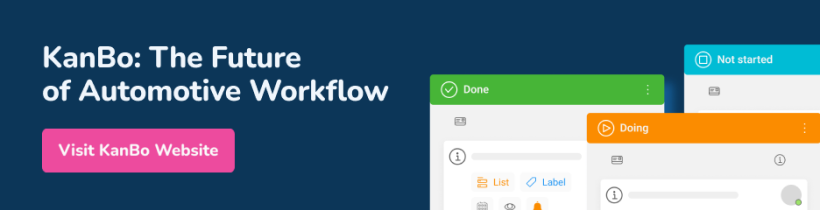
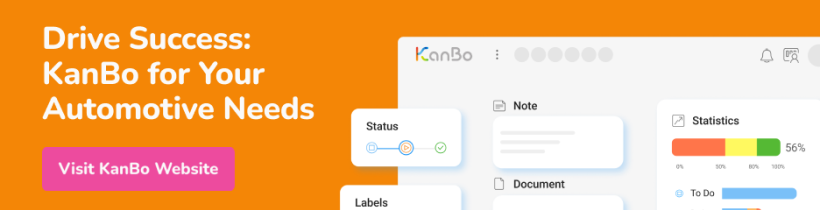
The platform’s Kanban Board is one of its standout features, offering an easy-to-use project management tool that gives users a clear overview of tasks and assignees. There is also a powerful search functionality that supports complex search queries and helps users quickly find what they need. Furthermore, the platform has a built-in chat function that allows for easy communication with other team members and the ability to make additional comments in real-time.
Cross-Departmental Communication in Automotive:
The automotive industry’s sophisticated operations involve cross-departmental coordination and require input from various teams, including design, engineering, testing, and marketing. KanBo provides the ideal solution for Powertrain Calibration Engineers to improve communication and collaboration within this complex network of stakeholders.
Conclusion:
Large automotive enterprises require exceptional collaboration and communication tools to keep pace with the fast-changing industry trends. KanBo provides that solution, with an array of features that support cross-departmental communication and improve project management efficiency. Its intuitive interface, flexible AI algorithms, and seamless integrations make it an excellent choice for Powertrain Calibration Engineers who wish to be on top of their game in the automotive industry.
Monday:
As a Powertrain Calibration Engineer in the Automotive industry, start your week by logging into the KanBo platform and checking for any new updates or notifications. Review your KanBo board for the current project and check the status of cards assigned to you. Prioritize your tasks for the week and create new cards if necessary.
Tuesday:
Use the Kanban view in KanBo to organize your tasks according to priority and status. Move cards that are in progress to the appropriate stage of completion. Collaborate with your team by commenting on cards or using mentions to communicate with other members. Update card statuses to keep everyone on the same page.
Wednesday:
As a Calibration Engineer, you may need to work with multiple document sources for calibration files, reports, and data sheets. Use KanBo’s multiple document sources feature to manage your files efficiently. Create document folders and groups, attach documents to cards, and track versions of each document.
Thursday:
Schedule an important card for calibration testing and assign it to a team member. Use KanBo’s scheduling feature to set a specific date and time for the task. Add notes and checklists to the card for easy reference during the testing process.
Friday:
It’s the end of the week, and you want to review your progress and reports. Use KanBo’s dashboards and reports to view the status of all cards related to your project. Analyze data using KanBo’s Gantt chart, timeline view, and activity stream. Create custom reports to share with your team or superiors.
Using KanBo’s features, you can efficiently manage your tasks, collaborate with your team, and track progress in real-time. As a Powertrain Calibration Engineer in the Automotive industry, KanBo will be your go-to tool for smart factory operations and streamlined project management.
Yes, KanBo is much more than just a tool for cross-departmental communication. While it does provide a unified platform for teams to collaborate and communicate effectively, it also offers a range of features that can help organizations optimize their work management processes.
With KanBo, teams can streamline their workflows and create structured processes that are easy to follow. Its advanced analytics and reporting capabilities allow teams to gain valuable insights into their work processes and identify areas for improvement. The platform also supports various work styles and hybrid methodologies, enabling teams to work in a way that suits them best.
Moreover, KanBo integrates seamlessly with other systems and platforms, including Microsoft Office 365, Google Suite, AWS, Salesforce, and more. This means that organizations can connect their existing tools and workflows to KanBo, making it even easier to collaborate and manage work effectively.
In summary, while KanBo excels at cross-departmental communication, it is much more than just that. Its advanced features and capabilities make it a valuable tool for any organization looking to optimize their work management processes, streamline workflows, and gain valuable insights into their work.
Q&A
1. Q: What makes KanBo an ideal work coordination platform for the automotive industry?
A: KanBo is an ideal work coordination platform for the automotive industry because it has an array of features tailored to the unique needs of large automotive enterprises. These include seamless integrations with other commonly used industry tools, an intuitive user interface, flexible AI algorithms, and cross-departmental communication capabilities.
2. Q: How can KanBo help Powertrain Calibration Engineers improve cross-departmental communication?
A: KanBo provides tools to help Powertrain Calibration Engineers collaborate more effectively with other departments, such as Product Development and Testing. The platform enables them to break down silos, ensuring greater transparency and accountability, while also allowing for better project tracking and time-management. The built-in chat function and real-time commenting feature also make communication and collaboration easy.
3. Q: How can KanBo help Powertrain Calibration Engineers manage their documents more efficiently?
A: KanBo’s multiple document sources feature allows Powertrain Calibration Engineers to manage their files efficiently. They can create document folders and groups, attach documents to cards, and track versions of each document. This feature helps keep all files organized and accessible, making it easier to manage and keep track of calibration files, reports, and data sheets.
How to use Microsoft Office skills with KanBo Boards in KanBo:
KanBo’s integration with Microsoft Office Suite makes it easy for users with basic Microsoft Office skills to use KanBo boards seamlessly. Users can access and view KanBo boards directly within the Microsoft Office interface, using tools such as Excel, Word, and PowerPoint.
For instance, users can create Excel tables and charts to document their data collection and analysis, then copy and paste the tables into their KanBo boards. This allows them to easily visualize their data within the context of their project tasks.
Similarly, users can create project plans and timelines in Microsoft Project and import them into a KanBo board, enabling them to track progress, set deadlines, and monitor their project’s budget within KanBo’s project management feature.
In summary, by leveraging KanBo’s integration with Microsoft Office Suite, users with basic Microsoft Office skills can harness the full range of KanBo’s features, tools, and functionality, making it a versatile and user-friendly solution for large automotive enterprises looking for a comprehensive work coordination platform.