Work coordination platform
Designed for the automotive industry
As a leader in innovation, you understand the importance of staying ahead of the curve in the fast-moving automotive 4.0 world. KanBo provides you with the tools to do just that by facilitating smart factory operations, streamlining project management, fostering collaboration and solving complex problems.
Maximizing Efficiency and Collaboration with KanBo: A Strategic Sourcing Analyst’s Guide
Introduction:
As large enterprises evolve, so do their demands. The challenge of smarter teams, streamlined project management, and effective collaboration becomes greater with each passing day. KanBo aims to address these demands with a powerful work coordination platform. It is built to facilitate smart factory operations, foster collaboration and solve complex problems. In this article, we will discuss KanBo’s key features and the benefits it offers to large enterprises.
Feature Benefits:
With KanBo, large enterprises have access to a range of features that streamline workflows, improve communication, and foster collaboration:
1. Agile project management: KanBo provides a centralized location for project management, with built-in tools for Agile methodologies, such as Kanban boards, Gantt charts, and customizable workflows.
2. Cross-departmental communication: KanBo allows for seamless communication between departments, teams, and stakeholders. This feature breaks down silos and encourages teamwork by fostering an environment of collaboration.
3. Intelligent process automation: KanBo automates repetitive tasks to free up time for more important work. It enables teams to work smarter, faster, and more efficiently.
4. Secure data sharing: KanBo ensures the safe and secure sharing of data across all teams, departments, and stakeholders. This feature ensures that the right people have access to the right information at the right time.
Short Product Tour:
KanBo is a visual and intuitive platform that is easy to use. Its interface is designed to make it easy for teams to collaborate on projects, share data, and streamline communication. Here is a sneak peek of KanBo’s user interface:
1. Agile Project Management:
KanBo provides a centralized location for project management. It allows teams to manage their projects from one place, using customizable workflows, Gantt charts, and Kanban boards.
2. Cross-Departmental Communication:
KanBo ensures seamless communication between departments, teams, and stakeholders. It fosters teamwork by creating an environment of collaboration.
3. Intelligent Process Automation:
KanBo automates repetitive tasks, freeing up more time for important work. It allows teams to work faster, smarter, and more efficiently.
4. Secure Data Sharing:
KanBo ensures that data is shared safely and securely across all teams, departments, and stakeholders. It ensures that the right people have access to the right information at the right time.
Cross-departmental communication in Automotive:
In the automotive industry, KanBo’s cross-departmental communication feature is particularly important. Effective communication is key to ensuring that all departments and teams are aligned, and deadlines are met. With KanBo, automotive teams can collaborate in real-time and work together to solve complex problems. With KanBo, you can easily break down communication barriers and foster an environment of collaboration.
Conclusion:
KanBo is a powerful work coordination platform designed for large enterprises. It provides agile project management, cross-departmental communication, intelligent process automation, and secure data sharing. It is an intuitive visual platform built for effective collaboration and teamwork. With KanBo, large enterprises can streamline workflows, improve communication, and foster an environment of collaboration.
Monday:
As a Strategic Sourcing Analyst in the Automotive industry, your Monday morning begins with logging into KanBo and checking for any updates or new tasks assigned to you. You then head to your board and quickly review the progress made by your team on the ongoing projects.
You start your day by:
1. Updating the status of the ongoing projects on the Kanban board
2. Reviewing the tasks assigned to you
3. Updating your progress in the cards assigned to you
4. Collaborating with your team members using the KanBo chat feature
5. Engaging in discussions on specific cards and resolving queries on them
Tuesday:
On Tuesday, you receive a special request from the management to initiate a new procurement process for a cutting-edge technology that has recently entered the market. You kickstart your day by dividing this procurement process into smaller milestones and assigning them to your team members.
You spend your Tuesday:
1. Creating new cards for the procurement process and allocating them to the appropriate team members
2. Setting deadlines for each of the milestones
3. Inviting third-party vendors to submit their proposals and reviewing their responses
4. Consulting with other departments to understand their needs and incorporate them into the procurement process
5. Discussing the progress of the procurement process with the management and providing regular updates on KanBo.
Wednesday:
On Wednesday, you analyze the procurement requirements of a key client and align them with the current market trends and available resources. You also review the vendor performance over the past year and initiate the necessary corrective measures.
Your Wednesday is spent in:
1. Analyzing the procurement requirements of the key client and aligning them with the market
2. Reviewing the vendor performance over the past year and addressing their shortcomings
3. Creating new cards to initiate the corrective measures and tracking their progress
4. Collaborating with the vendors and third-party team members to resolve any issues
5. Reviewing the progress of the corrective measures with the management using KanBo.
Thursday:
On Thursday, you collaborate with the finance department to review the current cost structure and optimize it wherever possible without compromising the quality of the products. You bring together all the stakeholders on the board and initiate a dialogue on the cost optimization.
Your Thursday is spent in:
1. Reviewing the current cost structure of the products
2. Brainstorming with the stakeholders to optimize the cost structure
3. Creating new cards to implement the optimization measures
4. Allocating the tasks to the relevant team members
5. Providing regular updates to the management on the progress of the cost optimization using KanBo.
Friday:
On Friday, you review the progress of the ongoing projects, identify any bottlenecks, and brainstorm solutions to remove them. You also create a project summary and share it with all the stakeholders to keep them informed about the project’s progress.
Your Friday is spent in:
1. Reviewing the progress of the ongoing projects and identifying bottlenecks
2. Collaborating with the team to resolve the bottlenecks
3. Creating a project summary and sharing it with all the stakeholders to keep them informed about the project’s progress
4. Initiating a discussion on any upcoming procurement requirements with the management
5. Celebrating your team’s hard work and success in achieving the project milestones on KanBo.
In conclusion, KanBo is an excellent tool for Strategic Sourcing Analysts in the Automotive industry. It allows you to efficiently manage your projects, collaborate with team members, and communicate with stakeholders. By following the above guide, you can streamline your workflow and achieve maximum efficiency in your work.
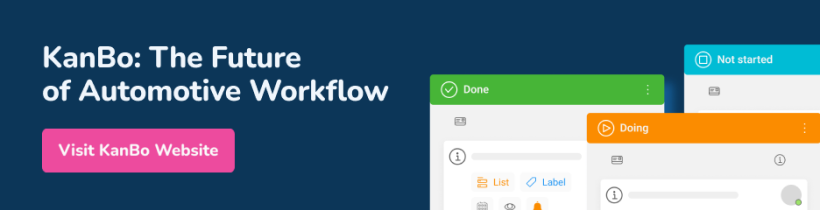
KanBo is much more than just a tool for cross-departmental communication. The software provides a complete work coordination solution, offering numerous features to make work management effortless and seamless. For instance, KanBo provides workspaces and spaces, allowing teams to organize every aspect of their work, including documents, tasks, and more, in a single place. The platform also offers card templates, customizable card elements, card statuses, and card blockers, which can be tailored to meet the specific needs of your team.
In addition to these features, KanBo offers a range of views such as Kanban, List, Table, and Gantt Chart, which help teams visualize their work more effectively, enabling them to plan and execute work efficiently. Moreover, KanBo’s powerful search engine provides users with a comprehensive search experience that allows them to find any information they need within seconds. KanBo’s search function is powered by Microsoft Graph, offering an intelligent, intuitive experience.
KanBo also offers an array of automation features, helping businesses save time and effort. These include alarms and reminders, typing and presence indicators, and automated card grouping. Moreover, KanBo’s integration capabilities extend to several third-party apps like Microsoft Teams, Office 365, and Google Suite, enhancing collaboration across teams and departments.
KanBo’s extensive list of features and capabilities makes it an end-to-end work coordination platform that provides value to every team and department in your organization. The platform enables organizations to streamline work management effortlessly, empowering teams to be more productive, efficient, and effective.
Q&A
1) Q: What are some key benefits of using KanBo for large enterprises?
A: KanBo offers numerous benefits to large enterprises, including streamlined workflows, improved communication, and fostering an environment of collaboration. It provides agile project management, cross-departmental communication, intelligent process automation, and secure data sharing.
2) Q: How is KanBo particularly helpful in the automotive industry?
A: In the automotive industry, KanBo’s cross-departmental communication feature is particularly important. Effective communication is essential in ensuring that all departments and teams are aligned, and deadlines are met. With KanBo, automotive teams can collaborate in real-time and work together to solve complex problems.
3) Q: What is the user interface like on KanBo?
A: KanBo’s user interface is designed to be visual, intuitive, and easy to use. It provides a centralized location for project management, with built-in tools for Agile methodologies such as Kanban boards, Gantt charts, and customizable workflows. The interface makes it easy for teams to collaborate on projects, share data, and streamline communication.
Using Microsoft Office skills with KanBo Boards in KanBo is incredibly simple. The platform integrates seamlessly with Office 365, allowing users to work with the tools they are already familiar with, including Word, Excel, PowerPoint and Outlook. KanBo cards can be created directly from Office documents, while teams can edit and collaborate on Office files in real-time within KanBo. Here’s how users can use Microsoft Office skills with KanBo Boards in KanBo:
1. Creating cards directly from Office documents: With KanBo, users can create cards directly from Office documents. Simply select the content you need and click ‘Create card’ from the KanBo Add-in.
2. Editing Office files within KanBo: Teams can edit and collaborate on Office files in real-time within KanBo. This feature enables users to avoid inefficient processes like emailing documents back and forth and saves time and effort.
3. Exporting data to Excel: KanBo allows users to export data to Excel for analysis and reporting purposes. This feature offers greater flexibility and control over data management, analysis, and reporting.
4. Integrating with Outlook: Users can integrate KanBo with Outlook and manage their tasks and projects directly from their inbox. The KanBo Outlook add-in allows users to create cards, assign tasks, and schedule meetings directly from their emails.
KanBo’s integration with Microsoft Office makes it easy for users to work with the tools they already know, while providing a seamless experience across platforms. The platform’s intuitive interface and versatile features enable teams to manage their work more effectively, increasing productivity and collaboration.