Work coordination platform
Designed for the automotive industry
As a leader in innovation, you understand the importance of staying ahead of the curve in the fast-moving automotive 4.0 world. KanBo provides you with the tools to do just that by facilitating smart factory operations, streamlining project management, fostering collaboration and solving complex problems.
Enhancing Cross-Departmental Communication for Dealer Relations Managers: A Guide to Using KanBo
Introduction:
In the fast-paced world of large enterprises, seamless communication and collaboration are essential for success. This is where KanBo comes in. KanBo is a work coordination platform that has been designed from the ground up to cater to the needs of large enterprises. This article will explore how KanBo can help the Dealer Relations Manager in the Automotive industry enhance cross-departmental communication and collaboration.
Feature Benefits:
KanBo brings together teams, departments, and external stakeholders in one centralized hub that provides real-time updates on projects, tasks, and communications. Some of the key features that make KanBo an ideal work coordination platform for large enterprises include:
1. Flexible Deployment Options: KanBo is available both as an on-premises installation and as a cloud service. This means that it can be customized to meet the unique needs and preferences of every organization.
2. Visual Management: KanBo’s visual boards allow teams to quickly access and understand project workflows, tasks, and priorities, which helps them to stay focused and productive.
3. Data Integration: KanBo integrates with a variety of data sources, including Microsoft Office 365, SharePoint, Microsoft Teams, and more, making it easy to collaborate and share information across departments and teams.
4. Extensible Customizations: KanBo offers extensive customizations, enabling organizations to tailor the platform to their specific needs.
Short Product Tour:
KanBo is an intuitive platform that is easy to use. After logging in, users are presented with a personalized dashboard that displays all their tasks, notifications, and projects. The platform’s visual board provides a bird’s eye view of all projects, and the ability to filter by project, deadline, and team allows for quick and easy access to the relevant information.
Cross Departmental Communication in Automotive:
The Automotive industry has many moving parts and requires frequent communication between departments. KanBo helps to streamline this communication by providing a centralized hub for all team members, suppliers, and customers. By providing real-time updates on projects and tasks, KanBo ensures that everyone is on the same page. Additionally, KanBo’s extensive customizations enable organizations to tailor the platform to their specific needs, ensuring that cross-departmental communication is as efficient as possible.
Conclusion:
KanBo is a work coordination platform that has been designed to meet the unique needs of large enterprises. Its flexible deployment options, visual management, data integration, and extensive customizations make it an ideal platform for cross-departmental communication and collaboration in the Automotive industry. Ultimately, KanBo helps organizations to stay focused and productive, improving their bottom line and enhancing their competitive advantage.
Introduction: As a Dealer Relations Manager in the Automotive industry, managing multiple projects and complex dealer relationships is a daily challenge. With KanBo’s comprehensive project management and collaboration tools, you can streamline your work and stay on top of all your responsibilities. In this how-to guide, we’ll walk you through a typical week in the life of a Dealer Relations Manager using KanBo.
Monday: Start your week by checking your KanBo board. Use the card statuses to identify which projects need your immediate attention and prioritize your tasks accordingly. Update any outdated information on the cards and filter them by project or dealer to quickly locate the relevant cards. Use the card relations feature to link related tasks, and add checklists or documents to keep track of all the necessary details.
Tuesday: It’s time to schedule meetings with dealers for the upcoming week. Use the scheduling feature on the cards to find a time that works for everyone involved. Communicate the meeting details through the card comments section to keep everyone informed. You can also use KanBo’s email integration to easily send emails to all the meeting attendees.
Wednesday: It’s time to start working on a new project. Use KanBo’s document management features to keep all the necessary documents together in one place. Create a new card for the project and add all the relevant details, such as deadlines, resources needed, and budget constraints. Assign team members to the card and use the card blocker feature to identify potential issues and roadblocks.
Thursday: One of your dealers has called with a problem. Use KanBo’s follow feature to stay up-to-date on any new developments related to the issue. Add a new card for the problem and assign it to the appropriate team member to find a resolution. Use the Kanban view to track the progress of the card and ensure that the issue is resolved quickly.
Friday: Your week is almost over, but there’s still work to do. Check on any ongoing projects and update the status of the related cards. Use KanBo’s dashboards and reports to get a quick overview of the week’s progress and identify any areas that need improvement. Use the board settings to save your personal view and make sure that your work board is customized to your specific needs.
Conclusion: As a Dealer Relations Manager in the Automotive industry, having a tool like KanBo at your fingertips can make a huge difference in your productivity and efficiency. By utilizing KanBo’s powerful features, you can keep all your projects and dealer relationships organized and streamlined, allowing you to focus on what matters most – building strong business connections.
Yes, KanBo is much more than a tool for cross-departmental communication. Aside from its communication features, KanBo is designed to holistically manage all aspects of work, from tasks, projects, and documents to analytics, resource management, and more. Its customizable workspaces allow teams to create unique workflows that cater to their specific needs, while its integration with multiple document sources ensures that all important documents are easily accessible and organized.
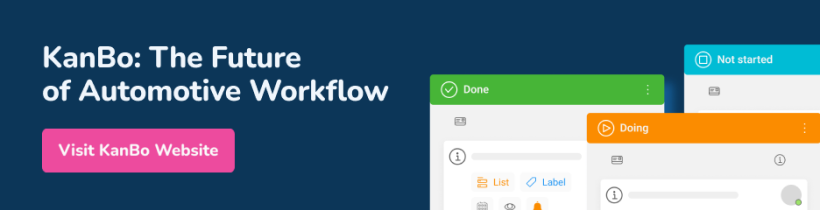
KanBo also incorporates various views, such as Kanban, list, table, and Gantt chart, which assist in visualizing work and ensuring that deadlines are met. Additionally, resource management features help ensure that team members are optimally utilized and that the workload is balanced across the team.
Moreover, KanBo’s reporting capabilities enable managers to gain insights into team performance and identify areas for improvement. With all these features, KanBo is truly a comprehensive work management platform that empowers teams to work efficiently and effectively across departments to achieve shared goals.
Q&A
Q1. What makes KanBo an ideal work coordination platform for large enterprises?
A1. KanBo is an ideal work coordination platform for large enterprises due to its flexible deployment options, visual management, data integration, and extensive customizations. These features allow organizations to tailor the platform to their specific needs, streamline communication and collaboration, and improve productivity.
Q2. How does KanBo help Dealer Relations Managers in the Automotive industry enhance cross-departmental communication and collaboration?
A2. KanBo provides a centralized hub for all team members, suppliers, and customers in the Automotive industry. By providing real-time updates on projects and tasks, KanBo ensures that everyone is on the same page. Additionally, KanBo’s extensive customizations enable organizations to tailor the platform to their specific needs, ensuring that cross-departmental communication is as efficient as possible.
Q3. How can KanBo help Dealer Relations Managers stay on top of their responsibilities?
A3. KanBo’s comprehensive project management and collaboration tools allow Dealer Relations Managers to streamline their work and stay on top of all their responsibilities. With KanBo, they can prioritize tasks, schedule meetings, manage documents, assign team members, track progress, and generate reports. These features keep all their projects and dealer relationships organized and streamlined, allowing them to focus on what matters most – building strong business connections.
Use Case: Enhancing Dealer Relations with KanBo
Let’s take a closer look at how KanBo can help the Dealer Relations Manager in the Automotive industry enhance cross-departmental communication and collaboration with specific examples of tasks in the industry:
Acquisition and Maintenance of Wholesale Accounts
Using KanBo, the Dealer Relations Manager can create a personalized board view that provides a bird’s eye view of all ongoing negotiations and tasks related to the acquisition and maintenance of wholesale accounts. They can assign tasks to different team members, set deadlines, and monitor progress in real-time. The visual boards allow for easy tracking of tasks, negotiations, and approvals, ensuring that nothing falls through the cracks.
Promotion and Support of MBFS Financing and Fee Income Products
With KanBo, the Dealer Relations Manager can create shared board views that provide all teams with up-to-date information on MBFS financing and fee income products. The visual boards allow for quick and easy access to new offers and promotions. The platform’s integration with Microsoft Office 365 also allows the team to collaborate on marketing materials and presentations, ultimately helping to drive sales.
Administration of Dealer and Consumer Customer Service Inquiries
KanBo provides a centralized hub for all customer service inquiries, allowing teams to collaborate and resolve issues quickly and efficiently. The platform’s visual boards enable tracking of customer service inquiries, assigning tasks to the relevant departments, and ensuring that issues are resolved in a timely manner. With KanBo, the Dealer Relations Manager can stay on top of customer inquiries, monitor team performance, and identify areas for improvement.
Promotion of Operational Efficiencies
KanBo’s visual boards allow teams to streamline workflows, identify bottlenecks, and optimize processes. By providing real-time updates on tasks and projects, KanBo ensures that everyone is on the same page, allowing teams to work more efficiently and effectively. The platform’s data integration capabilities also enable teams to access important data from multiple sources, making it easier to analyze performance and identify areas for improvement.
Using Microsoft Office Skills with KanBo Personal and Shared Board View
KanBo’s integration with Microsoft Office 365 allows users to collaborate on documents, presentations, and spreadsheets in real-time. Using KanBo’s personal and shared board views, teams can customize their displays to suit their preferences, making it easier to navigate through the board and focus on tasks that matter most. For example, a user might create a personalized view that highlights specific columns in a table to quickly identify tasks that are overdue. Another user might create a shared view that filters cards by due date, allowing the team to focus on urgent tasks and prioritize their work accordingly.
Conclusion
In the Automotive industry, seamless cross-departmental communication and collaboration are essential for success. KanBo’s flexible deployment options, visual management, data integration, and extensive customizations make it an ideal platform for enhancing dealer relations and improving operational efficiencies. By using KanBo’s personalized and shared board views, teams can customize their displays to suit their preferences, improving productivity and making it easier to collaborate on tasks and projects. Ultimately, KanBo helps organizations in the Automotive industry to stay focused and achieve shared goals, improving their bottom line and enhancing their competitive advantage.