Work coordination platform
Designed for the automotive industry
As a leader in innovation, you understand the importance of staying ahead of the curve in the fast-moving automotive 4.0 world. KanBo provides you with the tools to do just that by facilitating smart factory operations, streamlining project management, fostering collaboration and solving complex problems.
Breaking Down the Role of a Flight Test Instrumentation Engineer: Everything You Need to Know
Introduction:
As businesses grow in size and complexity, their organizational structure becomes more intricate, leading to a disconnect in coordination and collaboration. Therefore, large enterprises are in dire need of a platform that can streamline their workflow processes and increase cross-departmental communication. Enter KanBo: a work coordination platform designed especially for large enterprises.
Feature Benefits:
KanBo has a plethora of features that have been specifically designed to suit the needs of the automotive industry. Its exceptional project management tools, coupled with its visually appealing user interface, ensure that team members collaborate seamlessly and stay on top of all their tasks. It offers real-time data visibility, task tracking, and centralized communication to ensure that the workflow is fluid and uninterrupted.
Short Product Tour:
KanBo’s work coordination platform is user-friendly and based on kanban principles, ensuring that everyone can immediately grasp its features with minimal training. The platform offers a dashboard that provides a comprehensive view of all the tasks and projects, including managing individual tasks and automatic alerts for upcoming deadlines. Additionally, KanBo offers hybrid on-premise and cloud-based solutions that can be entirely tailored to the enterprise’s specific needs.
Focus on Cross-Departmental Communication in Automotive:
The automotive industry is known for its complex supply chains with various teams working on specific tasks. Communication breakdown is common, leading to delays, cost overruns, and mismanagement. KanBo addresses these issues by providing a platform that ensures effective communication and coordination between the departments. The platform also offers robust security measures that protect sensitive project information and external stakeholders’ confidentiality.
Conclusion:
In conclusion, KanBo is a work coordination platform seamlessly designed to cater to the complex requirements of large enterprise industries, specifically the automotive industry. Its exceptional project management tools, real-time data visibility, and centralized communication ensure that the workflow remains smooth and uninterrupted, leading to efficient collaboration between departments. In essence, KanBo is a game-changer in the realm of work coordination and project management for large enterprises.
Introduction:
KanBo is a powerful tool for managing projects and tasks in the automotive industry, and can be used by a wide range of professionals, from engineers to managers. In this guide, we will take a close look at how a Flight Test Instrumentation Engineer can use KanBo to organize their work and stay on top of their tasks. Over the course of one week, we will explore the different features and tools that KanBo offers, and how they can be used to optimize workflow and increase productivity.
Monday:
On Monday morning, it’s time to set up your KanBo workspace for the week. Create a new board for your current project, and start by adding a list of tasks that need to be completed. Assign each task to a team member, and set a due date. Use the card elements feature to add detailed information about each task and keep track of progress. Take advantage of KanBo’s built-in calendar view to see what needs to be done each day.
Tuesday:
On Tuesday, it’s time to start working on the tasks from your KanBo board. Use the Kanban view to get an overview of what’s on your plate, and move tasks from the “To-do” list to the “In Progress” list as you begin working on them. Use the comment feature to ask and address questions from team members. Don’t forget to update the status of each card as you complete tasks.
Wednesday:
Wednesday is a good day to schedule upcoming tasks and assign them to team members. Use the scheduling feature to add start and end dates for each task, and set reminders to make sure that no deadline is missed. Use KanBo’s powerful search feature to quickly find cards that need attention and keep everyone on the same page.
Thursday:
On Thursday, it’s important to review your progress and adjust your plan if necessary. Use KanBo’s reporting tools to see how much work has been completed this week, and identify any bottlenecks or areas for improvement. Make sure that team members are staying on track, and address any issues that arise.
Friday:
By Friday, it’s time to wrap up the week and set up for next week. Use KanBo’s dashboard feature to get a visual representation of your progress and plan for the next week. Use KanBo’s resource management tools to manage team members’ workload and assign tasks based on availability. Finally, make sure to archive any completed cards to keep your workspace organized and clutter-free.
Conclusion:
Using KanBo, a Flight Test Instrumentation Engineer can stay organized and stay on top of their tasks in the automotive industry. By leveraging the platform’s powerful features and tools, you can manage projects more efficiently and effectively, collaborate with team members more easily, and get a better handle on your workload.
Yes, KanBo is much more than just a tool for cross-departmental communication. While it excels at bringing teams and stakeholders together, it also offers a range of features that make it an all-encompassing work coordination platform.
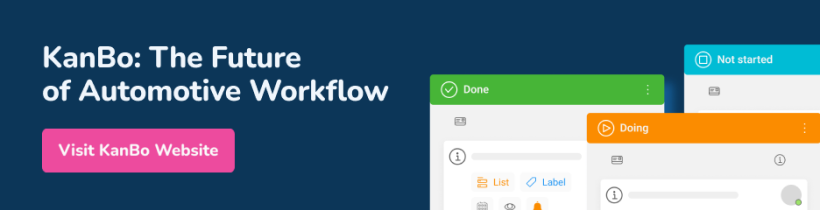
For example, KanBo provides a space for everyone to stay on top of their tasks and responsibilities, with the ability to schedule cards, assign people to cards, set card statuses, and create card templates. It also offers a range of views to visualize work, including Kanban, Table (Spreadsheet), Calendar, Gantt chart, Timeline, and Mind Map views, all of which make it easier to understand the big picture and make informed decisions.
Furthermore, KanBo provides robust document management capabilities, allowing users to attach and detach documents in cards, create document groups and folders, and reference documents across different cards. The platform also supports a variety of integrations, including email integrations and Microsoft Teams integration, making it easier to stay connected and up to date on project progress.
Overall, KanBo is a powerful platform that empowers purpose-driven organizations to optimize their work management with full transparency and trust. It simplifies work coordination, maximizes productivity, and fosters a culture of responsibility, autonomy, and mastery, making it an essential tool for any large enterprise.
Q&A
Q1. What is KanBo, and what industry is it designed to suit?
A1. KanBo is a work coordination platform designed to cater to the complex requirements of large enterprises. Specifically, it is ideal for the automotive industry.
Q2. How can KanBo address communication breakdowns between different departments in the automotive industry?
A2. KanBo offers a centralized communication platform that ensures effective communication and collaboration between departments. Its visually appealing user interface, real-time data visibility, and task tracking features ensure that the workflow remains smooth and uninterrupted, which, in turn, avoids delays, cost overruns, and mismanagement.
Q3. What are some of the tools and features available in KanBo that make it ideal for project managers?
A3. KanBo offers a comprehensive set of project management tools, such as the dashboard feature that provides a comprehensive view of all tasks and projects, individual task management, automatic alerts for upcoming deadlines, and resource management tools. It also has a robust security system that protects confidential project information and the information of external stakeholders.
Use Case:
As a Flight Test Instrumentation Engineer in the automotive industry, you will constantly be working on diverse and challenging projects. And while working in a fast-paced environment, you will embrace constantly evolving tasks and priorities. To handle all these tasks, you need a tool that is intuitive and easy to use. Enter, KanBo.
KanBo offers an intuitive and user-friendly platform, which is easy to navigate for anyone with basic Microsoft Office skills. The Board General Info feature is a great example of how users can manage their KanBo boards and projects using Microsoft Office skills. With this feature, you can attach critical information about a board, such as its purpose or goals, start and end date, estimated budget, and responsible person.
How to Use Board General Info Feature in KanBo:
To open the Board General Info feature in KanBo, follow these simple steps:
Step 1: Open the KanBo Home Page and hover your cursor over the board tile.
Step 2: Press on the more button (three dots).
Step 3: Select the info icon.
Step 4: You can also open it right from the board by going to the Board Menu and selecting the Board details option.
Step 5: Click on any field for edition and fill in the necessary information about the board.
Conclusion:
KanBo’s Board General Info feature is an excellent tool that allows you to manage your project with ease. It is straightforward to use and requires no special training. As a Flight Test Instrumentation Engineer, you will have to collaborate with other engineers and divisions in the automotive industry. The Board General Info feature ensures that everyone on the team is on the same page and can easily access important information about the project.