Work coordination platform
Designed for the automotive industry
As a leader in innovation, you understand the importance of staying ahead of the curve in the fast-moving automotive 4.0 world. KanBo provides you with the tools to do just that by facilitating smart factory operations, streamlining project management, fostering collaboration and solving complex problems.
Boost Your Enterprise Operations with KanBo: An IT Manager Charleston’s Guide to Streamlining Logistics, Engineering & Finance Processes
As large enterprises continue to evolve and expand, the need for seamless coordination among teams, departments, and external stakeholders has become paramount. To meet this growing need, KanBo has developed a leading-edge work coordination platform that is designed to provide the highest level of flexibility, efficiency, and collaboration across all enterprise functions.
The platform’s core strength lies in its on-premises and cloud installations and licenses that cater to the specific needs and preferences of every type of business. This means that enterprises can choose the implementation approach that best suits their unique requirements and seamlessly integrate the platform with their existing business processes.
With KanBo, enterprises can leverage a range of powerful features to streamline project management, foster collaboration, and solve even the most complex problems. The platform offers a comprehensive suite of tools that enables IT managers like Charleston in Logistics, Engineering & Finance to manage logistics, engineering, and finance technologies with ease.
One of the most significant benefits of using KanBo is its ability to support and contribute to Center of Competency (CoC) initiatives. The platform simplifies the process of designing, implementing and supporting best practices in the field of IT Logistics and Engineering processes, making it easier for enterprises to stay abreast of the latest industry trends. This, in turn, helps ensure that IT Logistics, Engineering & Finance system operations are optimized over the complete lifecycle of the IT systems.
Cross-departmental communication is a key component of any successful enterprise, and KanBo has been designed with this in mind. By facilitating agile and flexible continuous improvement processes, the platform helps to ensure timely and high-quality solutions to complex problems. This means that teams can work together more closely, share information more easily, and collaborate more effectively, all of which lead to better outcomes for the enterprise as a whole.
To conclude, KanBo is a work coordination platform that is purpose-built for large enterprises seeking to streamline their operations, improve collaboration, and solve complex problems. With powerful features tailored to meet the needs of IT managers, on-premises and cloud installations, and licenses that cater to unique enterprise requirements, KanBo is the perfect solution for large enterprises looking to remain competitive in today’s fast-paced world.
Monday:
As an IT Manager in the automotive industry, your week begins with a Monday morning meeting with your team to discuss the current status of ongoing projects. Using KanBo, you display the Kanban view of a shared board to highlight which projects are currently in progress, which ones are completed, and which ones have yet to be started. With the help of KanBo’s visual boards and customizable templates, you quickly review the status of various projects in Logistics, Engineering & Finance.
Tuesday:
On Tuesday, you take a deeper dive into the Engineering department’s project of designing a new car model. Using KanBo’s Gantt chart view, you review the timelines of each task and ensure that everything is on track. Additionally, you assign the project team members to various cards and delegate tasks to them using KanBo’s collaboration tools.
Wednesday:
Halfway through the week, you focus on a financial project using KanBo’s Table (Spreadsheet) View. You analyze the project costs and expenditures, using the data to make informed decisions about the upcoming budget and adjust financial projections accordingly. You also review a checklist of tasks and track progress to ensure the project is on time and on budget.
Thursday:
As the week starts winding down, you shift focus to the Logistics department’s project of streamlining the supply chain process. You visualize the current workflow using KanBo’s Timeline View, using the data to identify bottlenecks in the supply chain pipeline and come up with new process improvements. The Timeline View enables you to see the progression of each step of the process, including timelines and dependencies.
Friday:
As the week draws to a close, you take a moment to compile a report using KanBo’s dashboard and reporting tools, documenting the progress and status of all ongoing projects in Logistics, Engineering & Finance. With the help of KanBo, you were able to meet all the objectives for the week and keep everyone on the same page, which sets the stage for success for the next week.
Yes, KanBo is much more than just a tool for cross-departmental communication. While it does excel at facilitating communication and collaboration between teams and stakeholders, it offers a wide range of features that can help organizations optimize and streamline their work management processes.
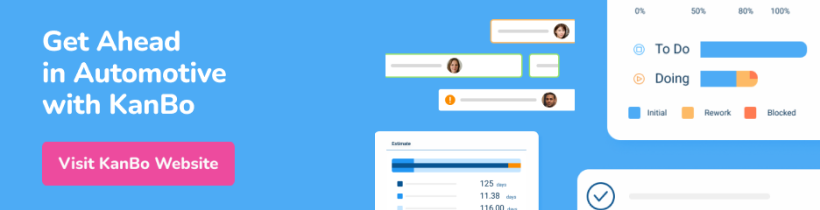
For example, KanBo’s card and board system provides a visual way to organize and prioritize tasks, projects, and initiatives, giving teams a clear overview of what needs to be done and when. With card elements such as checklists, notes, and document attachments, team members can collaborate and share information, keeping everyone on the same page.
KanBo also offers advanced features such as resource management, task scheduling, and project analytics, giving organizations valuable insights and tools to optimize their workflows and improve productivity. And with its support for different workstyles and methodologies, KanBo can help teams work the way they want to work, whether that’s through agile, lean, or other methodologies.
In short, KanBo is a robust work coordination platform that can help organizations stay organized, collaborate effectively, and achieve their goals more efficiently. So if you’re looking for a tool that can do more than just facilitate communication, KanBo is definitely worth checking out.
Q&A
1. Q: What types of implementation approaches does KanBo offer businesses?
A: KanBo offers both on-premises and cloud installations and licenses to businesses. This allows enterprises to choose the implementation approach that best suits their unique requirements.
2. Q: How does KanBo contribute to Center of Competency initiatives?
A: KanBo simplifies the process of designing, implementing and supporting best practices in IT Logistics and Engineering processes. This makes it easier for the enterprise to stay abreast of the latest industry trends, helping to ensure that IT Logistics, Engineering & Finance system operations are optimized over the complete lifecycle of the IT systems.
3. Q: How does KanBo facilitate cross-departmental communication?
A: KanBo facilitates agile and flexible continuous improvement processes, which helps ensure timely and high-quality solutions to complex problems. This means that teams can work together more closely, share information more easily, and collaborate more effectively.
How to use Microsoft Office skills with KanBo Boards?
For KanBo users who are already familiar with Microsoft Office, it’s easy to integrate their existing skills with KanBo Boards, making task and project management even more efficient and streamlined. Here’s how:
1. Create a KanBo Board – Start by creating a board in KanBo that represents your project, task, or workflow.
2. Use Excel to import data – If you have data in an Excel spreadsheet that you’d like to add to your KanBo board, simply click on the option to import data from Excel. You can choose which columns to import and map the data to the appropriate KanBo card elements.
3. Add Word documents – Word documents can be added to KanBo cards for easy reference and collaboration. You can upload the document directly to the card or create a link to a shared folder in Microsoft Teams or SharePoint.
4. Collaborate with Teams – KanBo can be integrated with Microsoft Teams, allowing for seamless collaboration and communication between team members. With the integration, you can create cards from Teams channels, chat with team members, and even get notifications directly in Teams.
5. Use PowerPoint to present project updates – If you need to present project updates or status reports to your team or stakeholders, you can use PowerPoint to create a visually appealing and informative presentation. Simply export your KanBo board data to PowerPoint and customize the presentation to suit your needs.
In conclusion, by integrating Microsoft Office skills with KanBo Boards, users can take advantage of the powerful features of both tools to collaborate, stay organized, and manage tasks and projects more efficiently. The seamless integration between the two tools makes it easy to leverage the best of both worlds and achieve your goals more effectively.